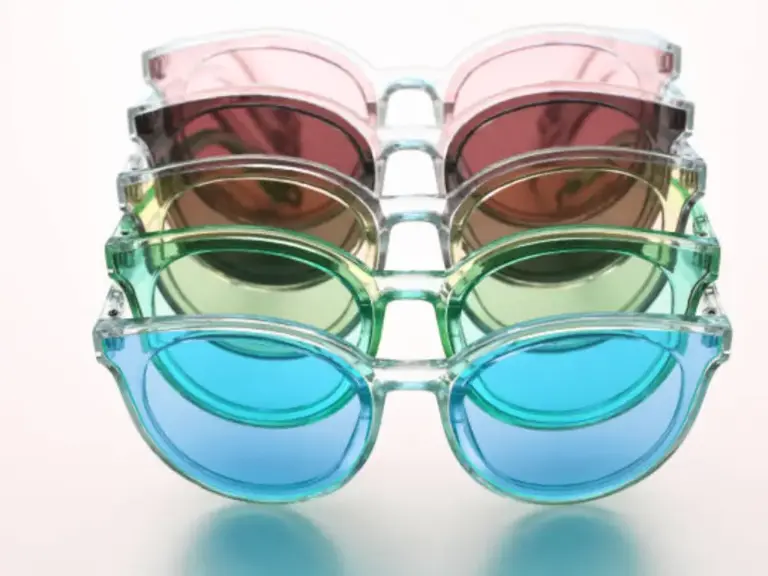
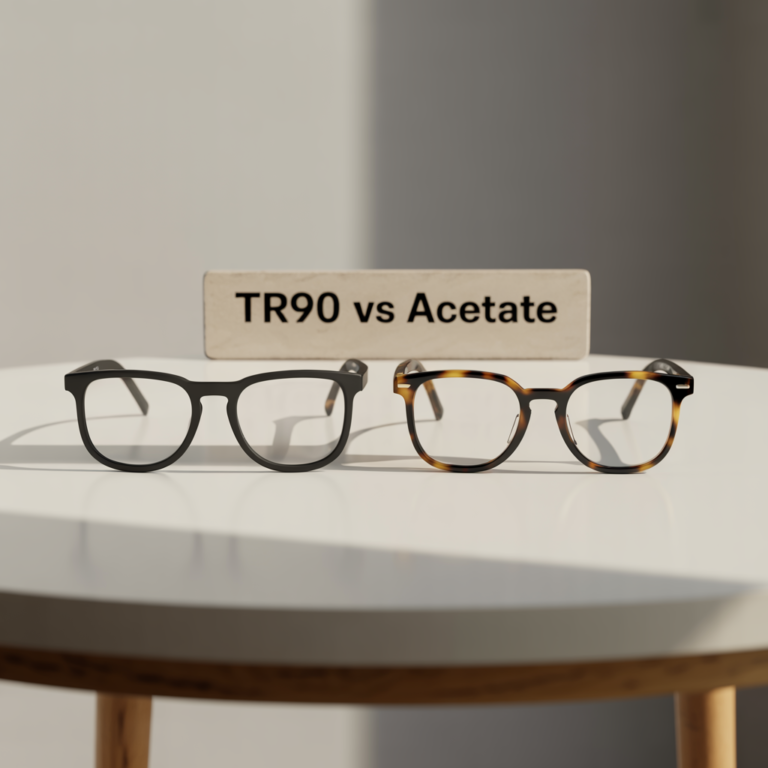
Frame material is the single biggest driver of weight, comfort, durability, and unit cost in sports sunglasses. At Julong, about 80% of the sports sunglasses we manufacture use either TR90 or polycarbonate. Understanding the trade-offs between these two materials is essential before you lock in a bill of materials.
TR90: The Flexible Performance Default
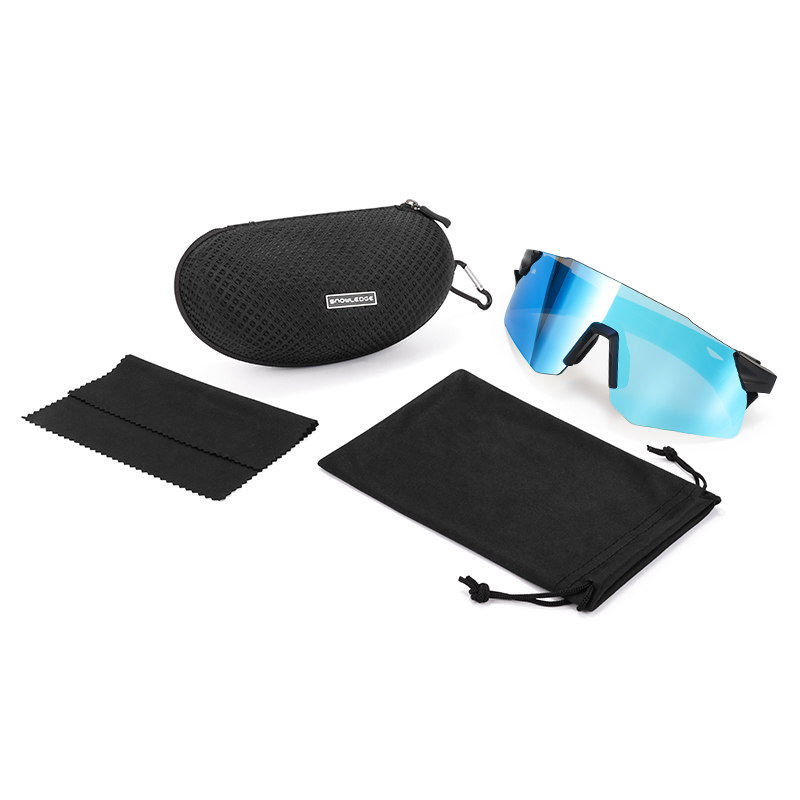
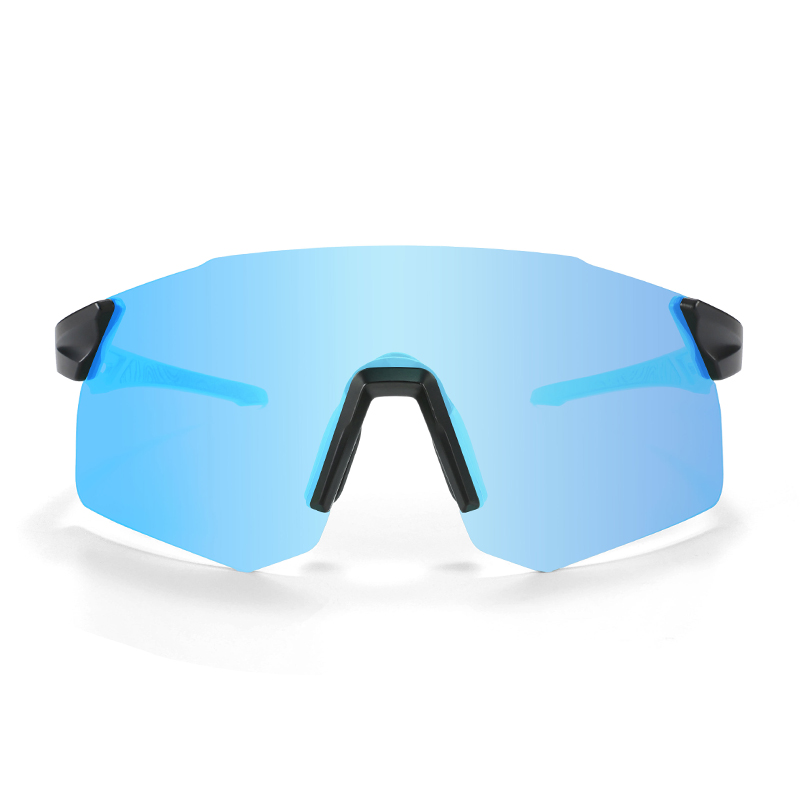
TR90 is a thermoplastic nylon developed in Switzerland. It is the lightest flexible frame material in common use, with finished sport frames typically weighing between 18 and 22 grams. It bends under load and springs back, which makes it ideal for cycling, running, and any sport where frames take repeated stress.
TR90 also resists temperature extremes well. Frames remain stable beyond 200 degrees Celsius, which is important for products shipped in containers that can reach high internal temperatures. The material accepts Pantone-matched paint and rubberized coatings cleanly.
Polycarbonate: The Budget and Impact Choice
Polycarbonate is a rigid thermoplastic known for its raw impact strength. It is the strongest frame material by pure impact numbers, which is why it is also used in safety eyewear. Finished sport frames typically weigh between 22 and 28 grams, slightly heavier than TR90.
Polycarbonate is more cost-effective per unit than TR90 and is the default material for entry-level sports sunglasses and high-volume retail programs. Its rigidity limits design complexity compared to TR90, but it holds shape well in simple frame geometries.
Side-by-Side Comparison
<
table>
How Julong Recommends Choosing
If your target customer is a serious athlete willing to pay for all-day comfort, TR90 is the default. If you are building a retail program with a strict price point, polycarbonate wins on unit economics. Many brands launch with a polycarbonate entry SKU and a TR90 flagship SKU, which gives consumers a clear upgrade path.
Manufacturing Considerations
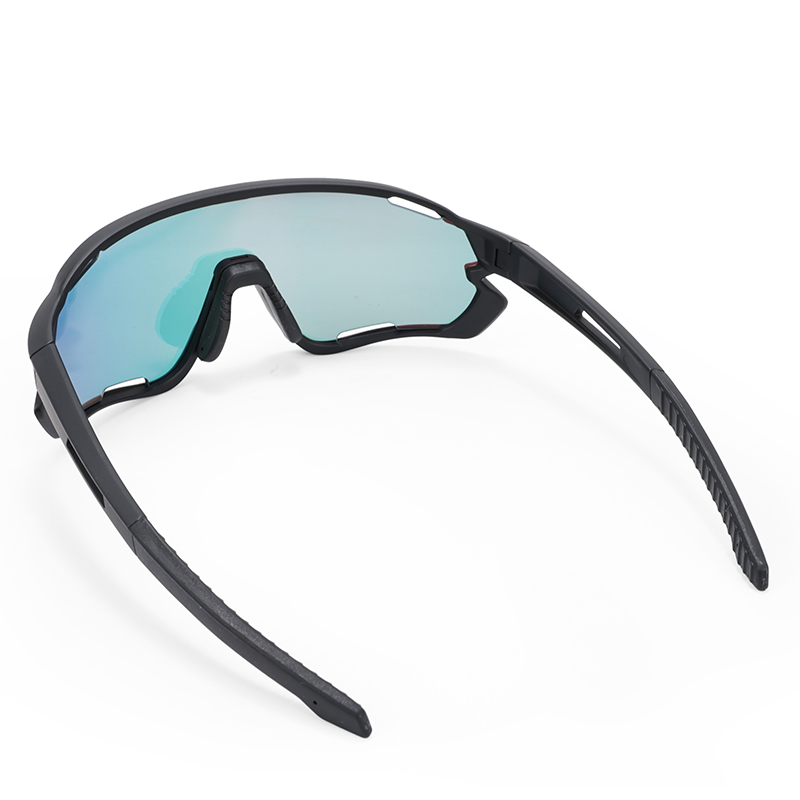
TR90 is injection-molded and then painted or coated. Polycarbonate can be injection-molded or CNC-machined for tighter tolerances. Julong runs both materials on in-house injection molding equipment and can produce 3D-printed prototypes in about seven days to validate fit before committing to production molds.